Should You Repair or Replace Your Garage Door? A Fort Smith Owner's Guide
Your garage door still opens, so it's fine. Right? That's the exact thought that leads homeowners into one of two costly mistakes.
The first is sinking money into a door that's already failing, one repair after another, until you've spent more than a new one would have cost. The second is the opposite: tearing out a perfectly good door when a simple fix would have bought years more use.
Both are easy traps, because "it still works, mostly" tells you nothing about which side you're on. So if you're wondering whether you should repair or replace your garage door, here's how to know for sure before you spend a dime.
Short Answer
Repair the door if it's reasonably young, the problem is a single worn part, and the fix costs well under half of a new door. Most everyday breakdowns fall here.
Replace it if the door is aging, keeps failing in new ways, has structural or panel damage, or lacks modern safety features. Once the repairs start piling up, a new door is a better spend.
Mistake #1: Fixing a Door That's Already Done
The first regret is spending on repairs that only delay the inevitable. A few signs tell you a door has reached the end of the road.
Age is the clearest one. Garage doors last about 15 to 30 years, and once yours crosses 15, parts get harder to find, and failures come faster. Past that point, each fix is borrowed time. The other red flag is frequency. If you've called for repairs three or more times in the last year and a half, that's not bad luck; it's a pattern.
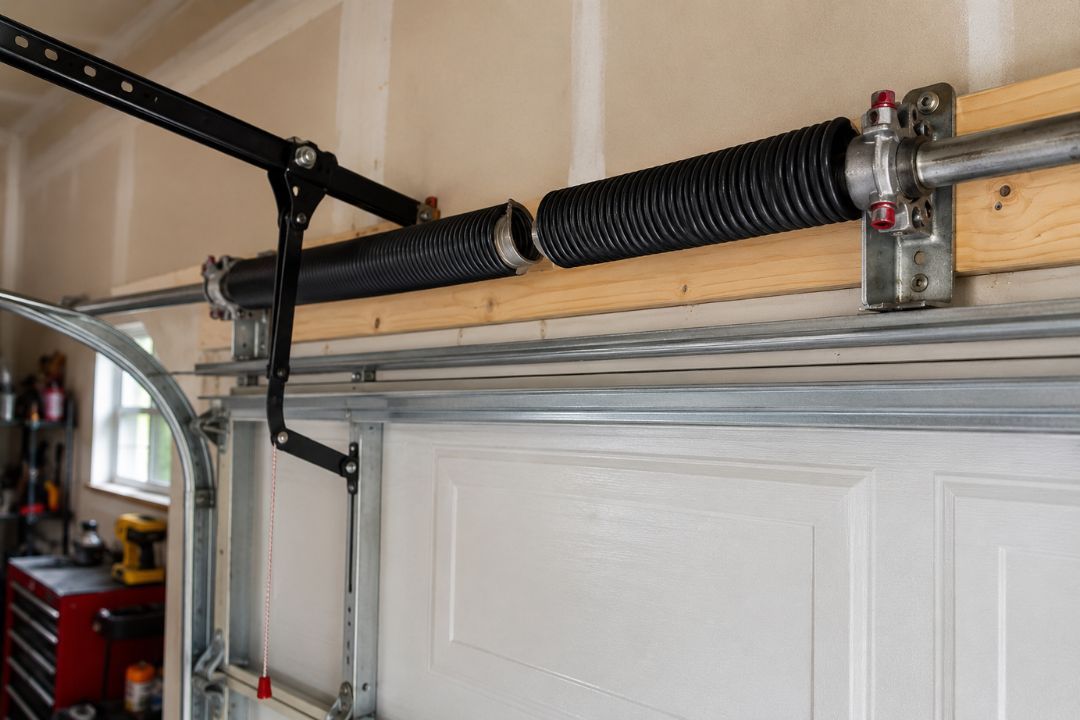
Here's why it happens: on an old door, fixing one part just stresses the next. A tired spring strains the cables, worn rollers drag on the opener, and the failures cascade. When you're weighing a new door, it helps to know the new garage door cost before you keep paying to patch the old one.
Mistake #2: Replacing a Door You Could Have Saved
The opposite regret is just as real. Plenty of doors get torn out when a simple repair would have bought years more use.
If your door is under about 15 years old and the trouble is one isolated part, a fix is almost always right. These parts are built to be replaced, like tires on a car:
- A broken or worn spring
- Frayed or snapped cables
- Worn rollers or noisy hinges
- A single dented panel from a bump
- Misaligned or dirty safety sensors
The good news is that these are routine, affordable fixes. Sorting out this kind of residential garage door repair is exactly what keeps a sound door running for a fraction of the price of replacing it.
The One Number That Settles It
When you're genuinely torn, one simple test cuts through the doubt. It's called the 50% rule, and pros lean on it for good reason.
Add up the repair estimate, or the total of several repairs your door needs at once. Compare that to the price of a new door. Under half, repair it. At or above half, replace it. And if your repairs over the last couple of years are creeping toward the cost of a new door, the pattern says replace.
A broken spring alone rarely tips that scale, and knowing the garage door spring replacement cost shows you just how minor that common fix usually is.
Frequently Asked Questions
Is it cheaper to repair or replace a garage door?
Repair almost always wins on upfront cost, especially for a single problem on a door that's otherwise in good shape. But if the door is aging and needs fixing several times a year, those repairs add up, and replacement becomes the cheaper path over time. The 50% rule, comparing your repair cost to the price of a new door, is the fastest way to see which side you're on.
How do I know if my garage door is too old to fix?
Start with its age and its track record. A door past 15 years that keeps breaking down, sags when it lifts, or shows warped or rotted panels is usually near the end of its life. When two or three of those signs show up together, repairs tend to be money spent delaying the inevitable.
What repairs are usually worth doing?
Springs, cables, rollers, hinges, sensors, and the occasional dented panel are all normal wear items and worthwhile fixes on a door in decent shape. They're designed to be swapped out over the door's life, much like tires on a car. On a younger, structurally sound door, these repairs easily pay for themselves and add years of use.
Does a broken spring mean I need a new door?
Almost never. A spring is one of the most common wear parts on any garage door, not a signal that the whole door is finished. Unless your door is very old or failing in several other ways, replacing the spring is the smart, low-cost fix that gets you running again.
Will a new garage door really pay off?
In most cases, yes. A replacement returns roughly 90% of its cost at resale, one of the best paybacks in home improvement, and it adds curb appeal since the door is a big part of your home's front. You also gain better insulation, quieter operation, and a fresh warranty, which an aging door simply can't offer.
Is it the door or just the opener that's failing?
They're two separate systems, so it's worth pinning down which one is the culprit. If the door itself is sound but won't respond or reverse on its own, the opener may be all that needs attention. A quick inspection sorts it out and tells you whether you're facing a small fix or a bigger decision about the door.
Making the Call With Confidence
Most repair-or-replace decisions really do come down to those two regrets. Avoid overspending on a dying door, and avoid tossing out one that still has good years left, and you'll almost always land in the right place.
When the answer isn't obvious, an honest set of eyes helps. We've served the Arkansas River Valley and Eastern Oklahoma since 1985. So we tell you straight whether a repair will do or a new door is the smarter move. Call us at (479) 646-4644 to request a quote.