Rolling Steel vs. Sectional Doors: Choosing the Right Commercial Door for Your River Valley Business
The rolling steel vs. sectional door decision comes down to headroom, security, insulation, and how often the door cycles. Rolling steel suits low ceilings, heavy traffic, and security needs. Sectional doors suit conditioned spaces, customer-facing buildings, and easy panel repairs. Most businesses can decide by answering four questions about their opening.
What Is the Main Difference Between the Two Doors?
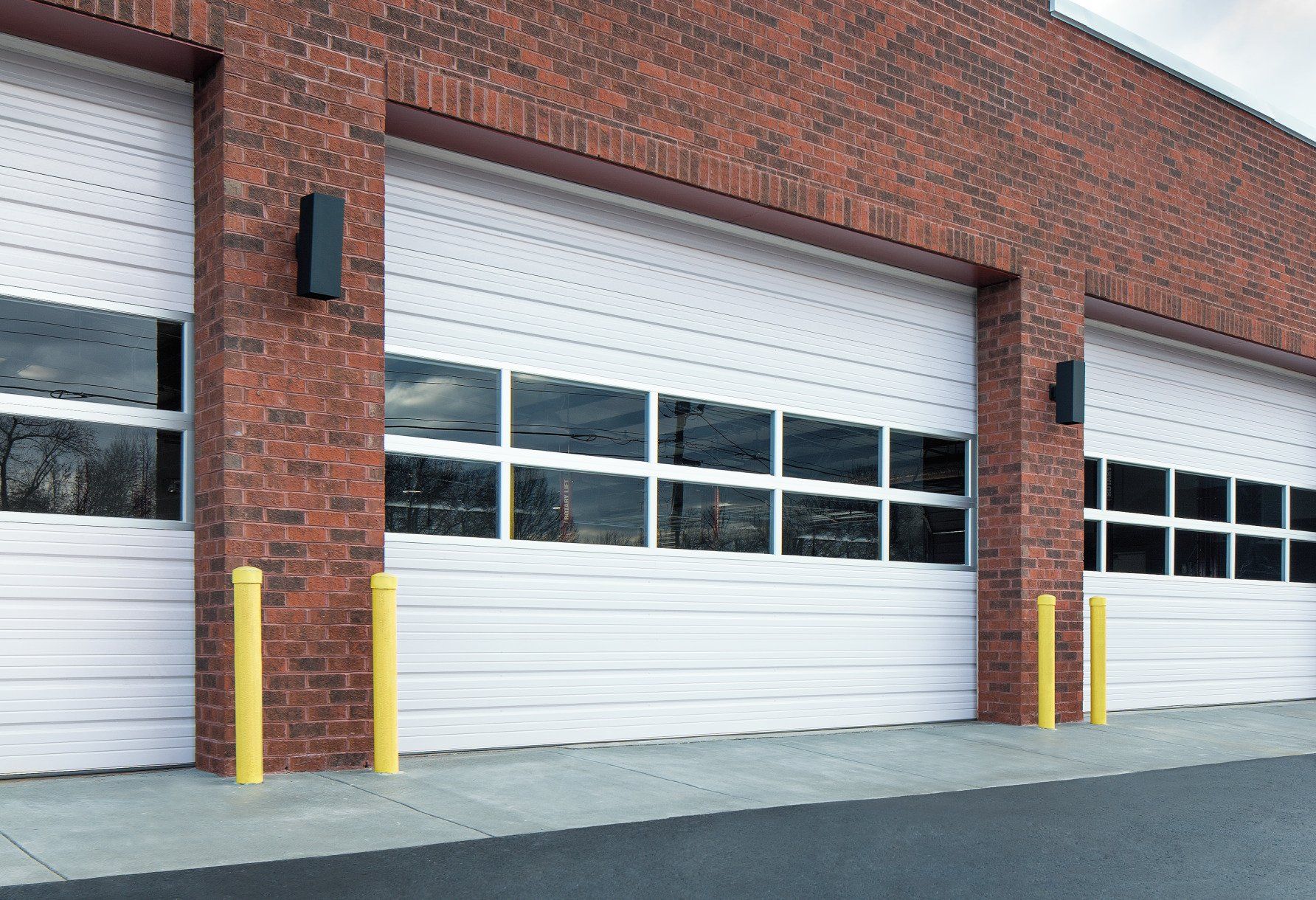
A rolling steel door uses
interlocking steel slats that coil around a barrel above the opening. A sectional door uses hinged panels that ride tracks up to the ceiling.
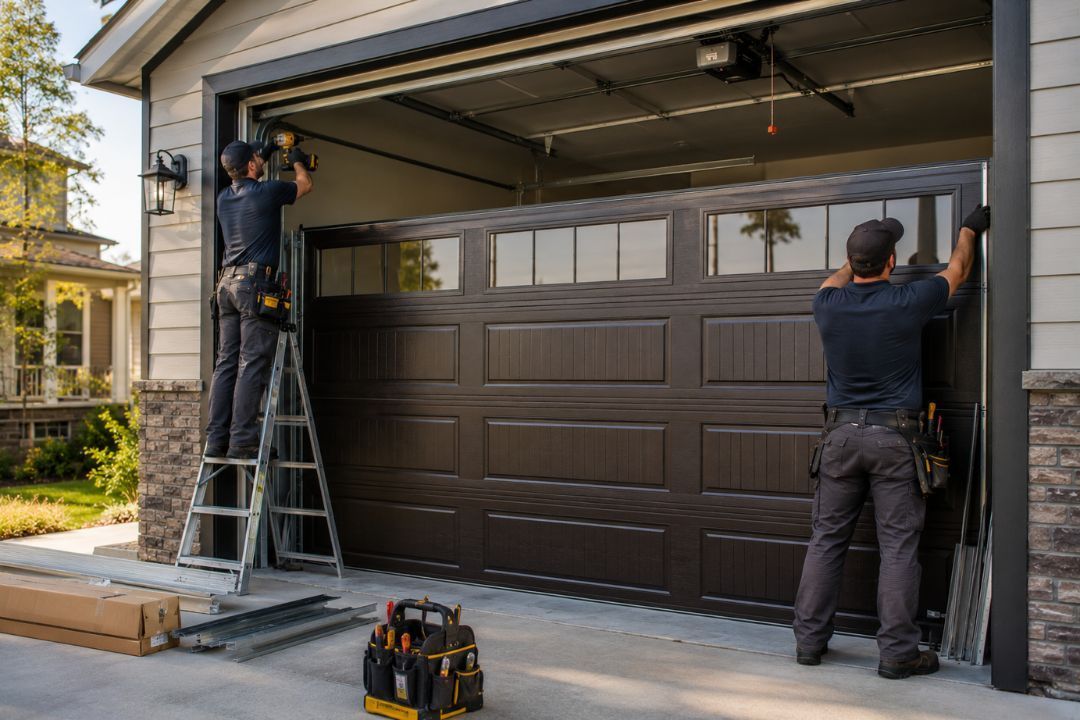
That one design difference drives almost everything else, including space needs, insulation, and repair work. Both come in commercial versions, and our commercial page lists sectional garage doors and rolling steel doors among the styles we work with. Businesses comparing
commercial overhead doors in Fort Smith, AR, can evaluate rolling steel and sectional designs based on their building layout, security needs, and daily usage.
How Much Overhead Space Does Each Door Need?
Rolling steel needs the least room, because the curtain coils above the opening. Sectional doors need
headroom and track space along the ceiling.
Pipes, ductwork, racking, and low framing can make a sectional install difficult. Track options exist for tight spaces, but the trade-off is needing more room behind the door. When you compare rolling steel vs. sectional door options, measure the clear space above and beside the opening before you fall in love with either one.
Which Door Is More Secure?
Rolling steel is generally the stronger choice against
forced entry, since interlocking steel slats are hard to pry or cut through. Sectional doors offer solid security, but their paneled design is easier to damage.
If a door protects tools, inventory, or a storefront after hours, that difference matters. Sectional doors can be reinforced and paired with locks and operators, so they are not weak. They start from a lower baseline than a steel curtain.
Which Door Insulates Better?
Sectional doors, by a wide margin. Panels can be filled with foam, which gives them a much higher insulation value than a bare steel curtain.
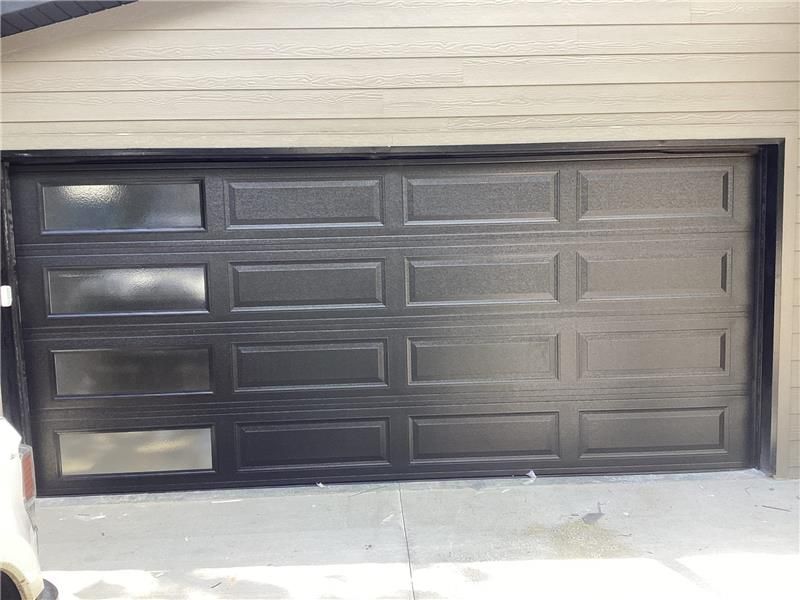
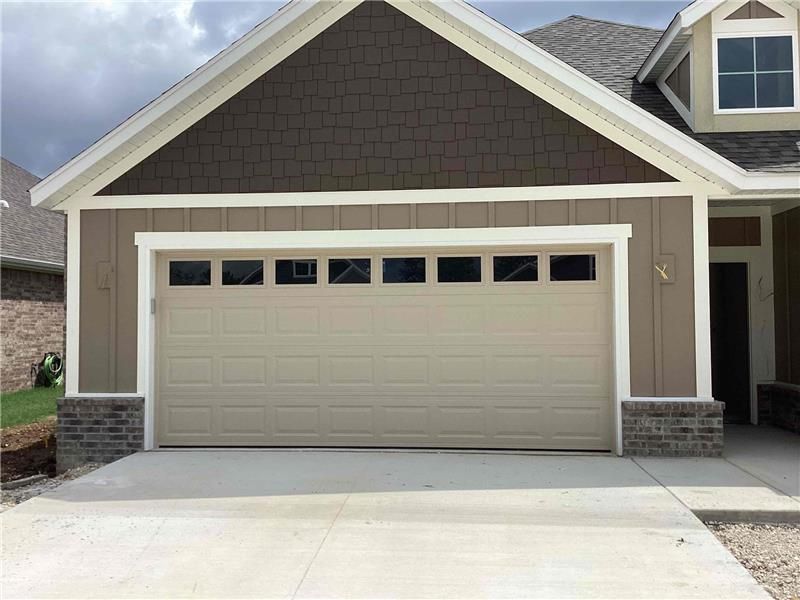
If you heat or cool the space behind the door, or people work near it, a sectional door usually saves energy and keeps the room comfortable. Sectional panels can also include
vision panels so that you can see activity on the other side. Insulated rolling doors exist, but they are a specialty choice, so ask about them if security is your priority and you still need temperature control.
How Do Maintenance and Repairs Compare?
Rolling steel has fewer exposed moving parts, so it often needs less routine attention. Sectional doors have more wear points, but their repairs are often simpler.
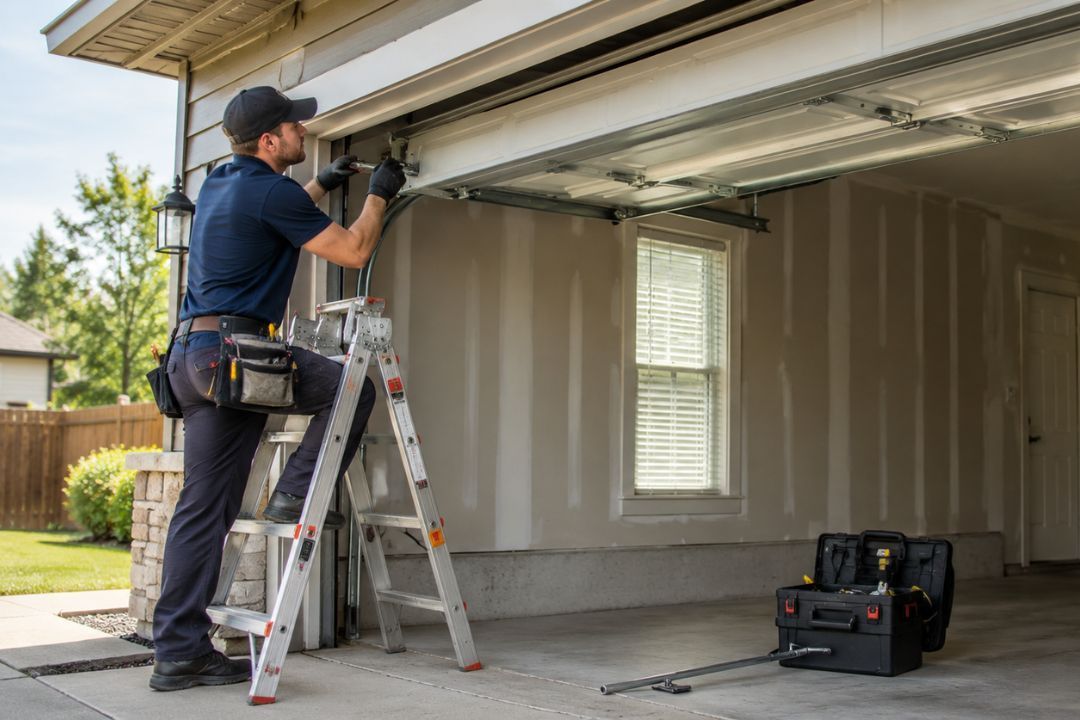
A sectional door depends on
torsion springs, rollers, hinges, and track alignment. You can swap a damaged panel without replacing the whole door. Rolling steel repairs cost more when they happen, because slat and barrel work takes more time and often more people. Whichever you pick, a maintenance schedule pays off, and heavy traffic raises the stakes. Look at each door’s
cycle rating, which shows how many cycles it is built for.
Which Door Fits Which Facility?
Choose rolling steel for high traffic, tight ceilings, or a security-first opening. Choose sectional for conditioned shops, showrooms, and buildings customers see.
- Rolling steel: busy loading docks, storage buildings, industrial openings, and spaces with overhead obstructions.
- Sectional: service bays, retail spaces, and warehouse openings with enough headroom and a need for insulation.
A rolling steel vs. sectional door checklist should cover headroom, security, insulation, and cycles. Some buildings use both, with rolling steel on exposed openings and sectional on interior bays. Some locations also require fire-rated rolling doors under local codes, so check yours. Fort Smith Garage Door Co. serves the Arkansas River Valley; you can view our commercial garage door services, read our guide to choosing the right door for your facility, or contact our team to discuss your opening.
Frequently Asked Questions:
1. When choosing between a rolling steel door and a sectional door, which one suits a warehouse?
It depends on headroom, traffic, and climate control. Rolling steel suits heavy cycling and obstructions, while sectional doors suit insulated spaces.
2. Which door costs more?
Cost depends on size, gauge, insulation, and operator. Sectional doors often cost less up front, but no single figure fits every opening, so request a quote.
3. Can I use both door types in one building?
Yes. Many facilities use rolling steel on exposed or high-traffic openings and sectional doors on conditioned or customer-facing bays.
4. Which door lasts longer?
Both can last many years with proper maintenance. Rolling steel is often built for heavier cycling, but your usage and upkeep matter most.
5. Does Fort Smith Garage Door Co. install both types?
Our commercial page lists sectional garage doors and rolling steel doors as part of our offerings. Contact us to discuss your project.