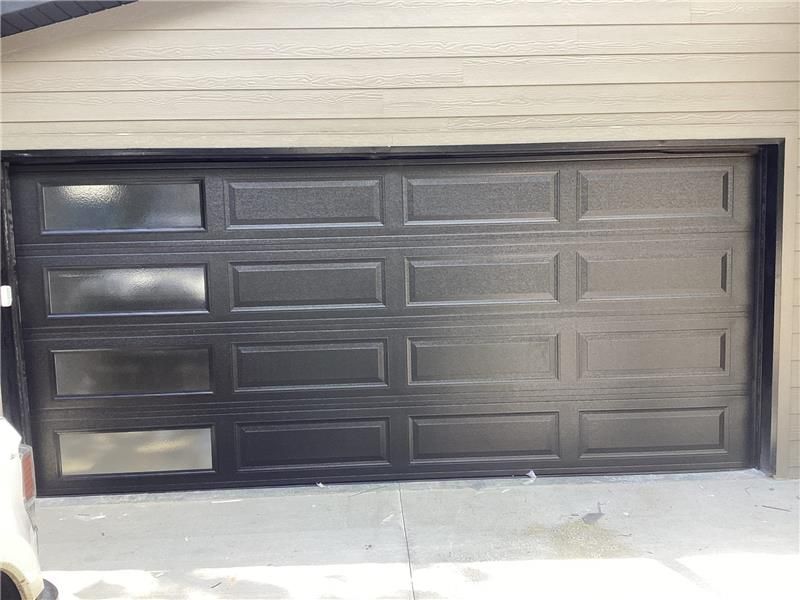
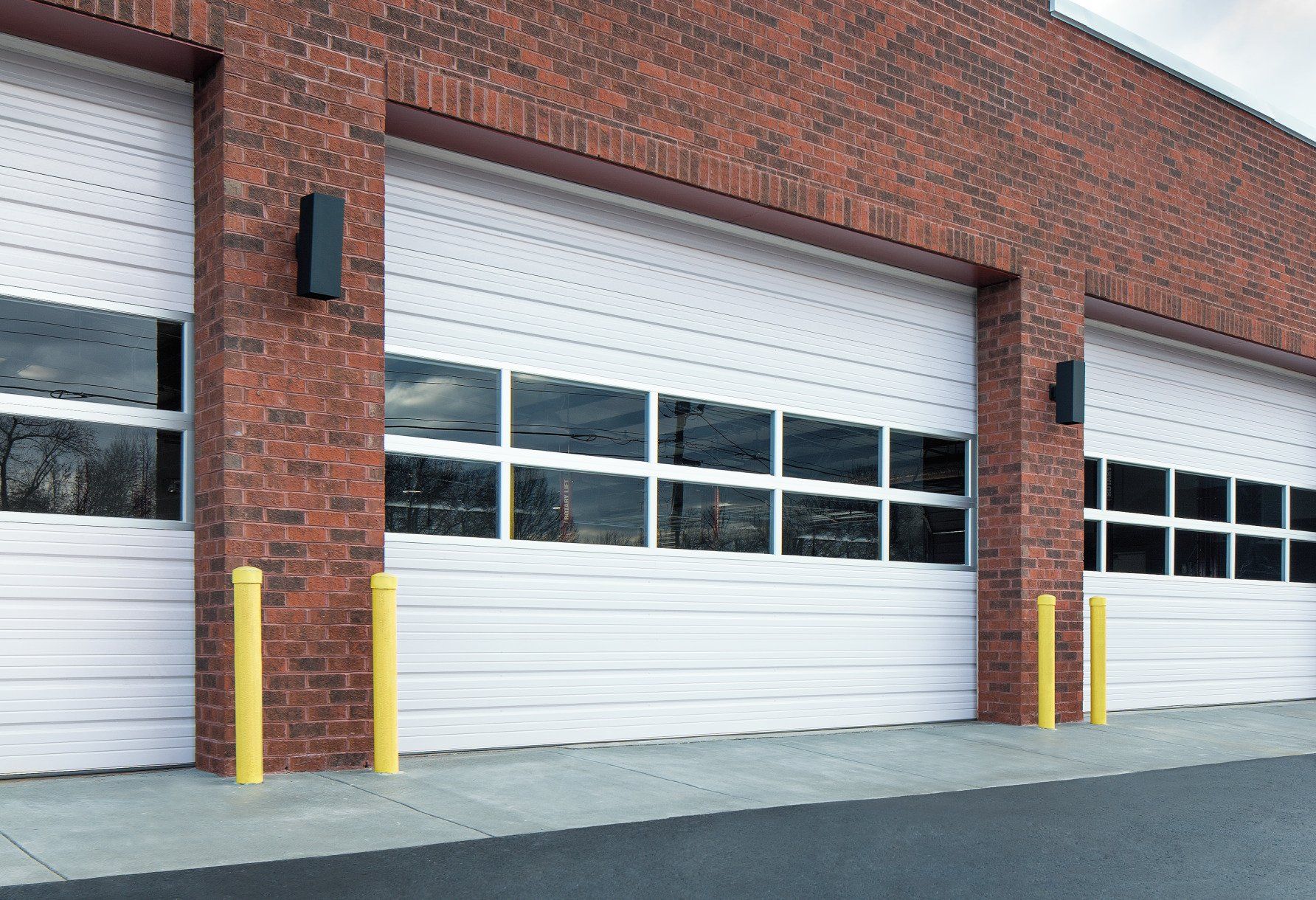
How Long Should a Garage Door Last? Signs of Wear to Watch For
How long does a garage door last? Typically, the door itself lasts 15 to 30 years, but the parts that make it move wear out much sooner. Springs, cables, rollers, and openers usually fail first, so a door that looks fine may still need attention.
How Long Does a Garage Door Last by Part?
- Door panels: often 15 to 30 years, depending on material and care.
- Springs: rated by cycles. Standard residential springs are commonly rated near 10,000 cycles, which is roughly seven years at four trips a day.
- Cables, rollers, and hinges: wear with every trip and are replaced as needed.
- Openers: commonly 10 to 15 years.
Ratings vary by product, so check your door’s paperwork.
Why springs set the pace
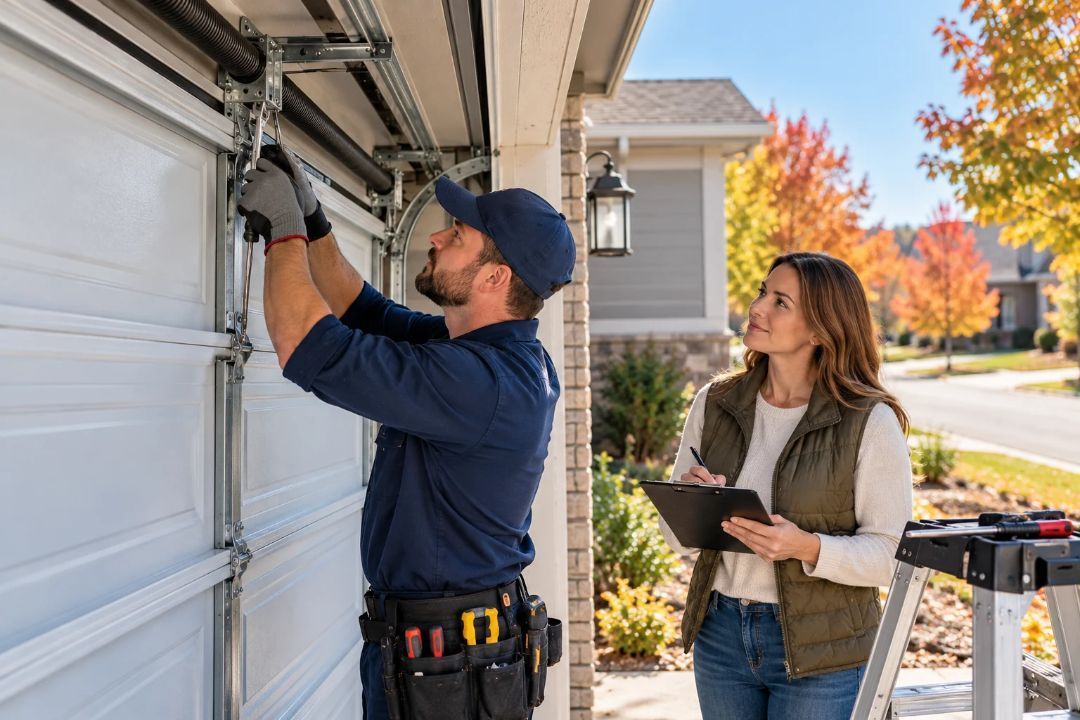
Springs carry the door’s weight every time it moves, so each trip uses up a little of their rated life. A broken spring can stop the door cold and create a safety concern. Springs operate under high tension, so replacement should be handled by a trained technician.
Material matters
- Steel: strong, secure, and low-maintenance, which is why most homes have it.
- Aluminum: lightweight and rust-proof, but it dents more easily.
- Fiberglass and vinyl: durable and nearly maintenance-free in all weather.
- Wood: the richest look, with regular sealing needed to guard against rot.
What Shortens a Door’s Life
Heavy daily use burns through cycles. Skipped maintenance lets small wear turn into broken parts. Wood needs regular sealing to resist rot and warping, while steel needs less upkeep. A poorly balanced door also strains the opener, causing it to fail early.
Signs of Wear to Watch For
- Grinding, squealing, or scraping
- Slow, jerky, or uneven travel
- A door that sags or closes crooked
- Frayed or rusted cables
- Gaps in a spring
- Cracked or warped panels
- An opener that struggles or reverses unexpectedly
Some signs can wait a few days for an appointment, such as a new squeak. Others, such as a frayed cable, a visible gap in a spring, or a door that sits crooked, mean you should stop using the door and call. A noisy door often points to worn rollers or loose hardware, which are fixable. Our garage door repair services cover springs, cables, and openers.
A Rough Age Guide
| Door age | What to expect |
|---|---|
| Under 10 years | Springs and rollers may need attention, but panels are usually sound |
| 10 to 20 years | Expect part replacements, and watch the opener |
| Over 20 years | Weigh repairs against replacement, especially if panels show wear |
These are general patterns. A technician can judge your door on its actual condition, not its birthday.
How to Make a Door Last Longer
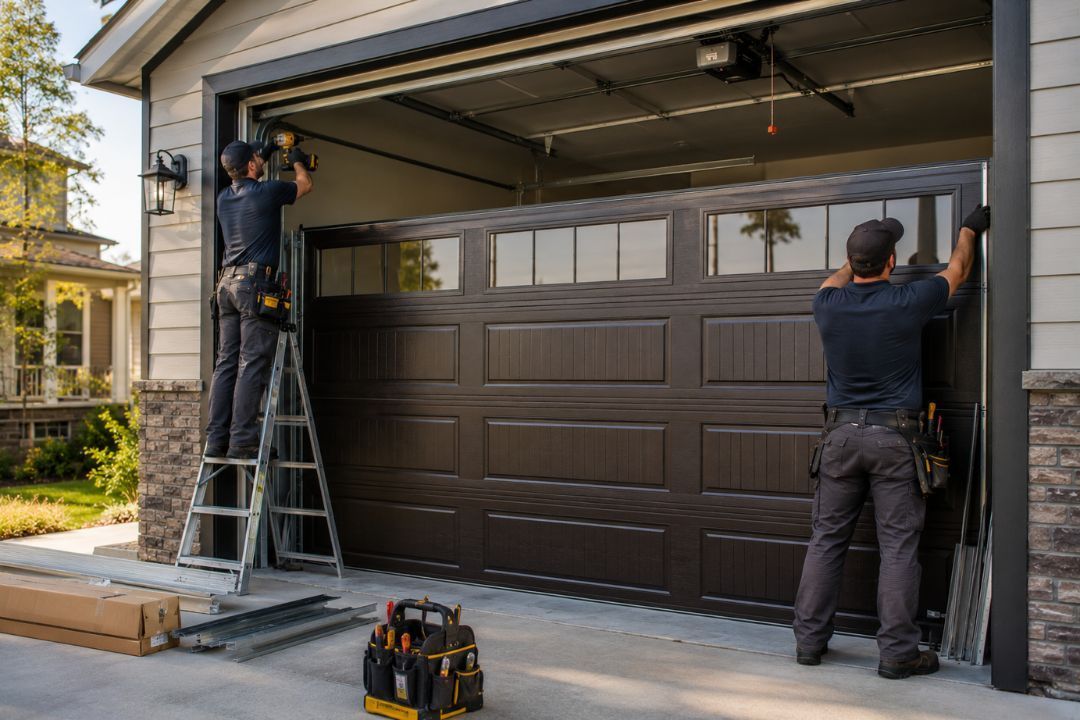
- Have the system inspected and serviced regularly.
- Fix small noises early, before worn rollers or loose hardware spread the damage.
- Keep the door balanced, since an unbalanced door strains the opener.
- Never force a stuck or frozen door.
- Leave springs and cables to a professional.
Start by finding your door’s install date. Write it on a card by the opener, along with the model if you can read it. Age matters when you decide what to fix.
Repair or Replace?
Repair makes sense when one part has failed, and the panels are sound. Replacement makes sense when panels are cracked or warped, repairs keep repeating, or the door cannot hold balance. Weigh the age of the door and opener, not the size of today’s repair.
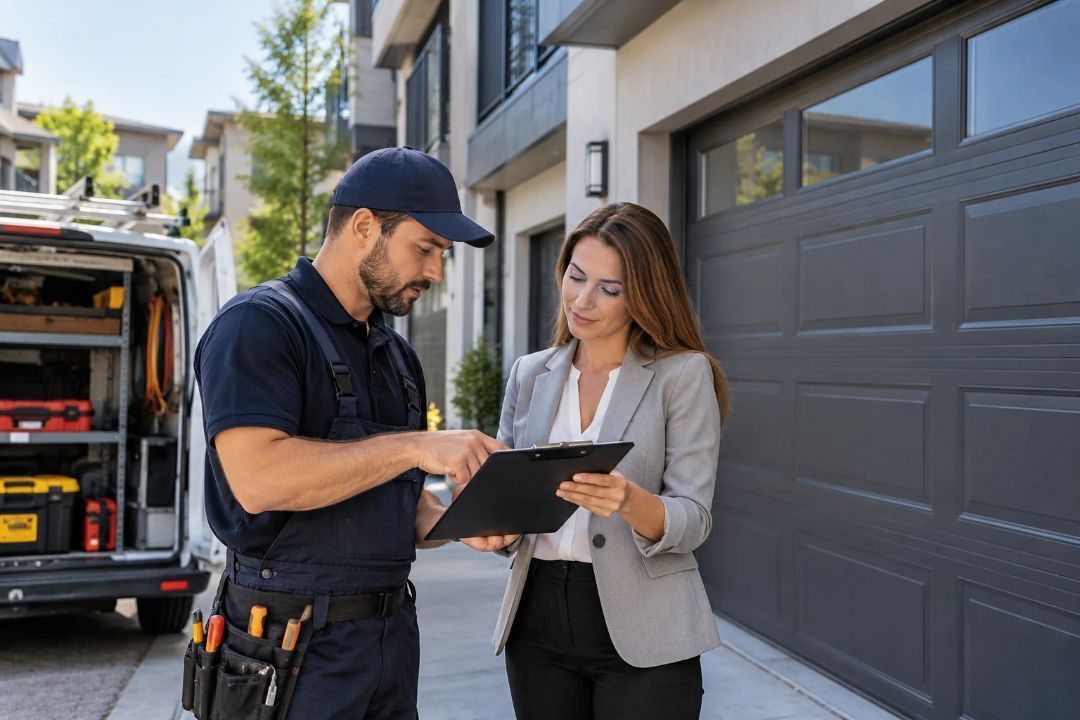
Not sure which side you are on? Our technicians can inspect the system and recommend a practical fix; you can start on our contact page. If you are considering a new door, our guide to what a new garage door costs in Fort Smith explains what drives the price.
Frequently Asked Questions
How long does a garage door last in Fort Smith?
Fort Smith’s hot summers and cold snaps stress materials, but maintenance and cycle count usually matter more than weather alone.
Is it worth repairing an old garage door?
It can be, especially when the panels are sound and only one part has failed. If repairs keep repeating, it is worth pricing a replacement.
Which part fails first?
Springs, most often, because each has a limited cycle rating. Cables and rollers follow.
Does a heavier door last longer?
Not by weight alone. Material, hardware quality, balance, and how often you use the door matter more.
Can maintenance extend a garage door’s life?
Yes. Routine service catches worn parts early and keeps the whole system working with less strain.
Should I replace the opener with the door?
Not always. A sound opener that is strong enough for the new door can stay, but have a technician confirm.
Is a noisy door a sign it is wearing out?
Often it means worn rollers or loose hardware. An inspection can tell you whether you need a repair or something bigger.
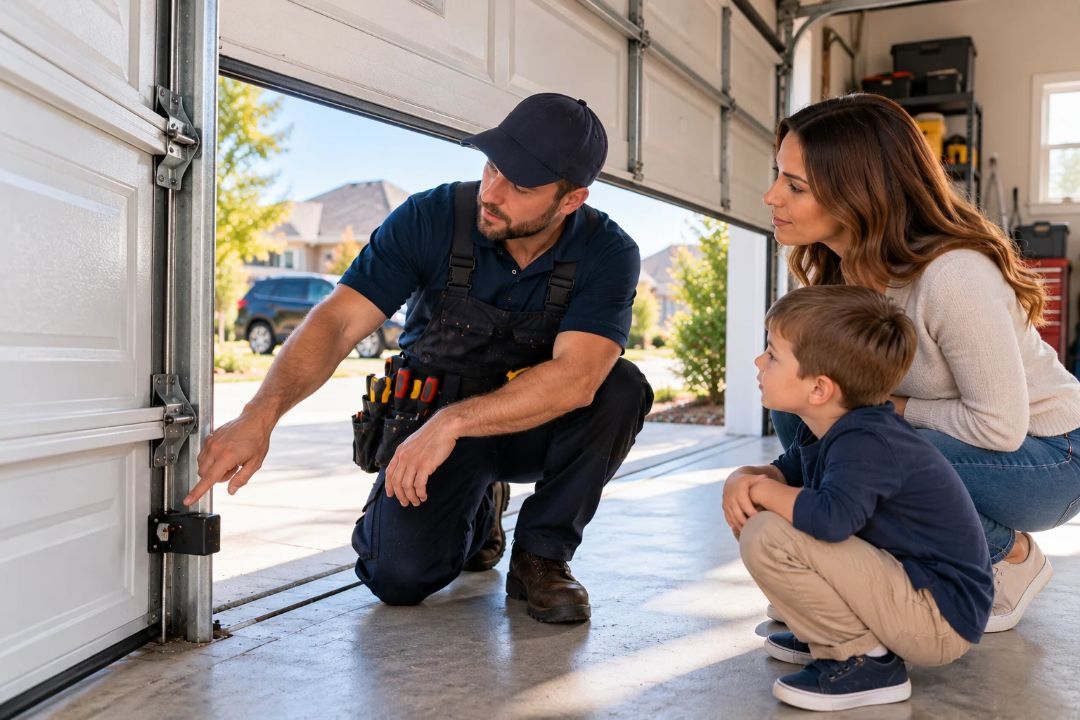


Rolling Steel vs. Sectional Doors: Choosing the Right Commercial Door for Your River Valley Business