Working with Property Management Companies: Our Garage Door Warranty Process
Picture a tenant’s door failing at 7 a.m. The first question is who pays: the manufacturer, the installer, or the owner. Garage door services for property managers work best when they can answer that question before the call comes in. Here is how we approach warranty questions and the records that make them easy.
Start With the Honest Limits of a Warranty
Warranty terms come from the manufacturer’s and installer’s paperwork, not from the company that answers the service call. Coverage, length, and exclusions vary by product. We read the paperwork and never promise coverage the document doesn't provide.
That honesty protects you. A vendor who promises coverage over the phone can leave you holding the bill when the manufacturer disagrees. Ask any vendor, including us, to point to the actual document before you count on a claim.
How We Handle a Warranty Question
- You gather the install date, door model, and any warranty paperwork.
- We inspect the door and opener and test the full system.
- We determine whether the failure points to a defect, normal wear, or damage.
- We explain what we found so you can take it to the manufacturer or installer.
- If coverage doesn't apply, we review repair and replacement options.
Defect, Wear, or Damage? What We Look For
These are general patterns, and the paperwork is final on coverage.
- Possible defect: a part fails early under ordinary use, or the same part keeps failing at the same point.
- Normal wear: rollers, cables, and springs wear out gradually, especially on doors that cycle many times a day.
- Damage: a bent track, a dented panel, or a broken bracket often points to impact from a vehicle or equipment.
Sorting the cause early saves you from paying for the wrong fix or filing a claim that will not hold.
Looking for garage door services for property managers across several buildings? Tell us about your doors through our
contact page, and we will talk through how service calls and records could work for your portfolio.

Records That Make Claims Easier
- Install invoices and dates for each door.
- Model and size of every door and opener
- Dated service notes
- Photos of the failure
- The time a tenant first reported the problem
A claim backed by this file usually moves faster than one built from memory. If a door was installed before you took over the property, ask the prior manager or owner for the original paperwork now, not after a failure.
Setting Expectations With Owners
Owners want to know three things: what failed, why, and who pays. Answer those in plain language and attach the inspection findings. When a repair falls outside warranty, present the options side by side: repair now or plan a replacement, so the owner decides with the full picture instead of reacting to an invoice.
Keeping Tenant Communication Simple
Give tenants three instructions. Stop using a door that is off track or making new noises. Stay away from springs, cables, and brackets. Report the problem with a photo and the time it started.
Urgent failures cannot wait for office hours, and a door stuck open can leave a unit unsecured. Our guide to after-hours garage door repair explains what to expect when a failure lands outside the workday.
What Good Garage Door Services for Property Managers Look Like
Good service means predictable inspections, plain explanations, and records you can hand to an owner. At least one inspection a year is a sensible baseline, with heavily used doors checked more often. For commercial buildings, a maintenance contract can set that rhythm in writing. We service commercial and residential garage doors, so mixed portfolios don't need two vendors.
Frequently Asked Questions
Does Fort Smith Garage Door Co. offer its own warranty?
Warranty details depend on the product and the manufacturer's or installer's paperwork. Contact us to discuss what applies to your doors.
What should I send with a warranty question?
The install date, door model, any paperwork, and photos of the problem. The more detail you send, the faster we can diagnose it and determine whether the manufacturer should hear about it.
What can affect warranty coverage?
Terms vary, but improper installation, skipped maintenance, and physical damage are common reasons claims are questioned.
How often should we inspect doors across a portfolio?
At least once a year is a sensible baseline. Doors that cycle all day, such as those at shared garages or docks, need more frequent visits.
Do you serve residential and commercial properties?
Yes. We work with homeowners, businesses, and builders across the Arkansas River Valley and Eastern Oklahoma.
Who should call when a tenant reports a broken door?
The property manager or owner, depending on your lease. Tell tenants to stay clear of springs and cables, which hold dangerous tension.

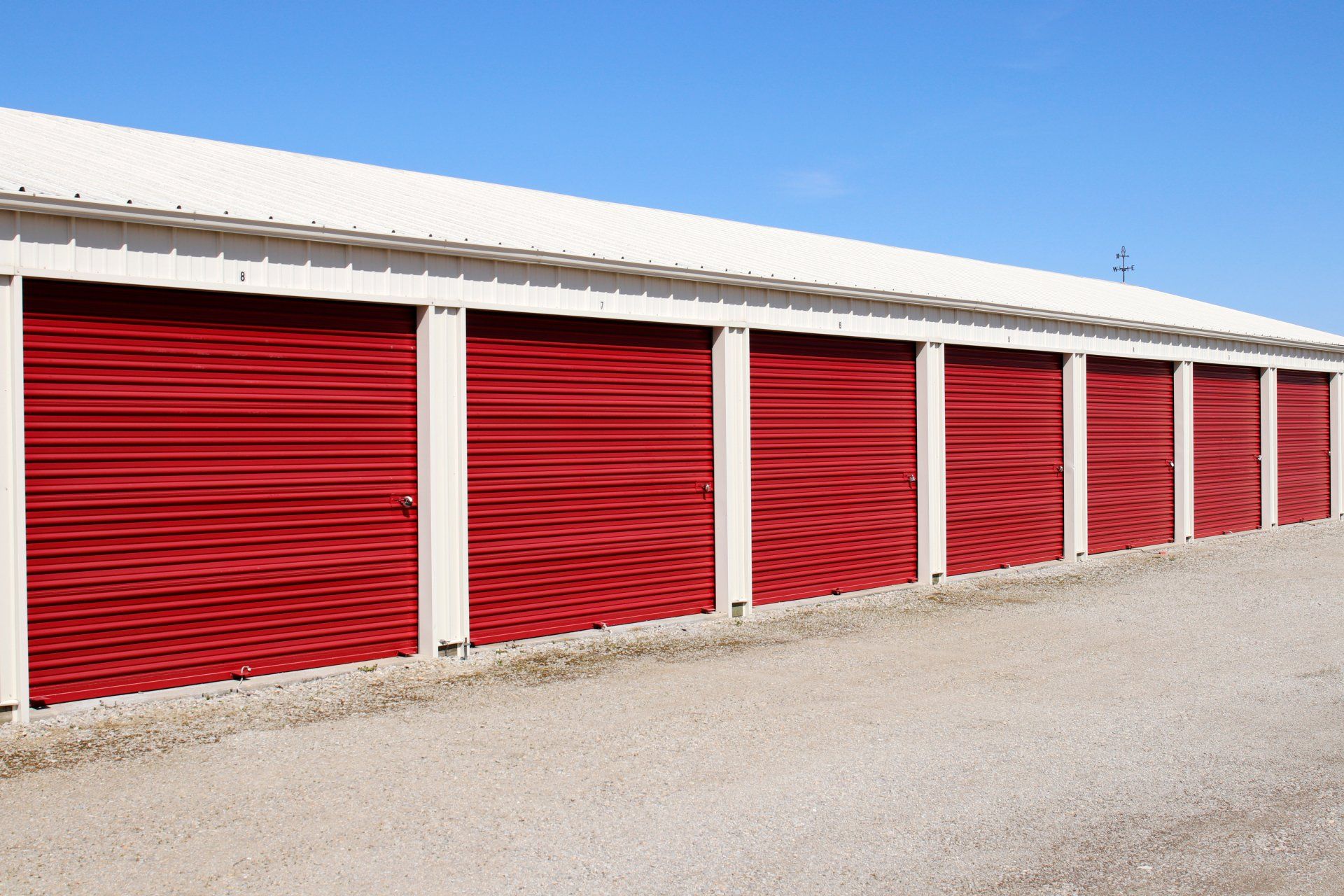

Rolling Steel vs. Sectional Doors: Choosing the Right Commercial Door for Your River Valley Business