How Often Should Commercial Garage Doors Be Inspected?
A commercial garage door inspection should happen at least once a year, and more often when a door opens and closes all day. A trained technician can catch a worn spring, a frayed cable, or a failing sensor before it shuts down your dock for an afternoon. Here is how to set a schedule that fits your building.
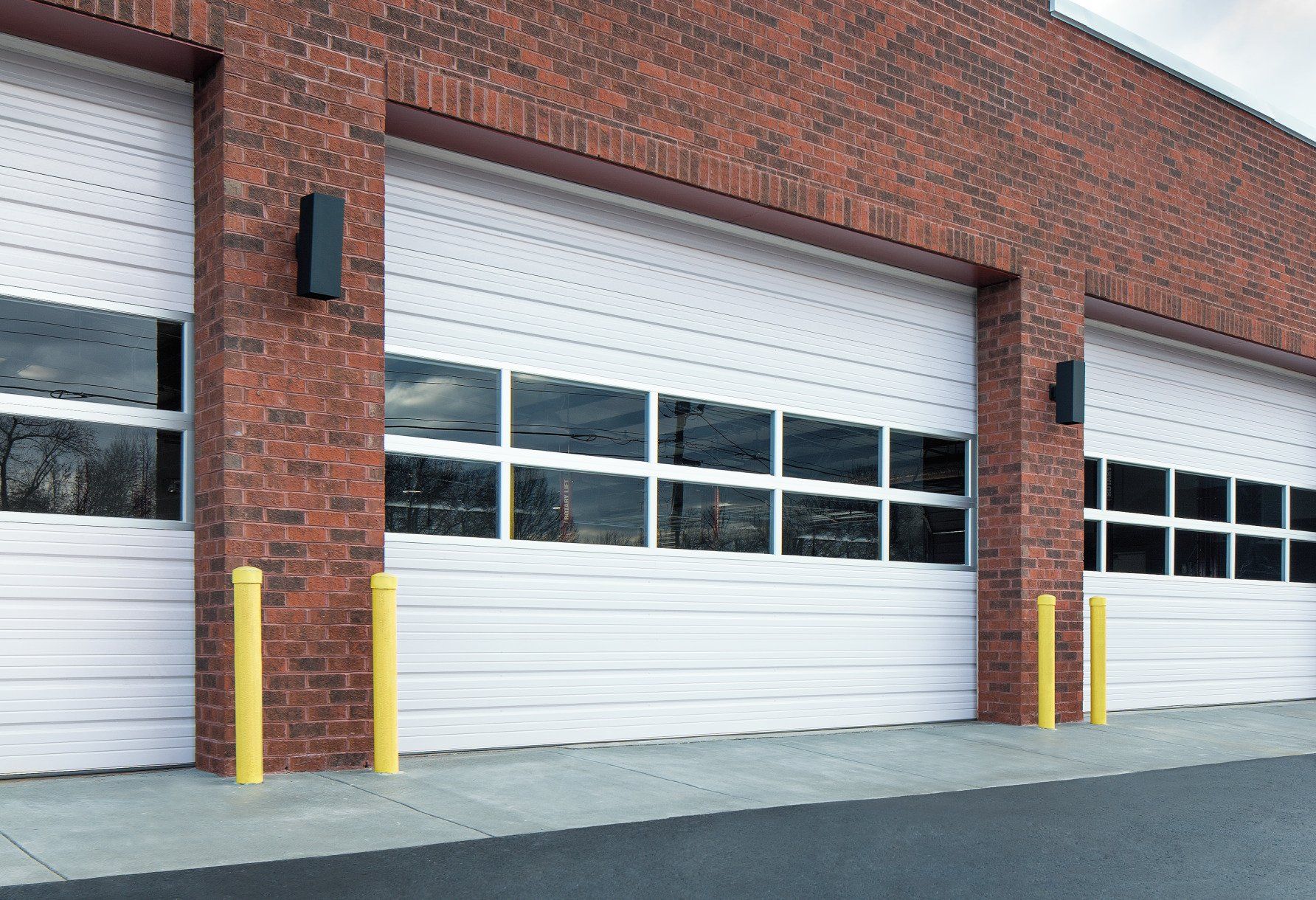
Match the Schedule to How Hard the Door Works
Frequency depends on cycles, meaning one full open-and-close. A door that moves ten times a day ages very differently from one that moves a hundred.
| Door use | Common inspection rhythm |
|---|---|
| Light, under 10 cycles a day | Once a year |
| Moderate, 10 to 50 cycles | Twice a year |
| Heavy, over 50 cycles | Every three months |
Treat these as rules of thumb. Your manufacturer’s manual and any local requirements come first. A written commercial garage door maintenance contract can keep those visits on the calendar so they don't slip.
Springs wear by the cycle, not by the calendar. A door that cycles fifty times a day can wear out a standard spring system in under a year, so a yearly reminder alone isn't enough. Count the trips on a normal week, then match the rhythm above. If you don't know the count, start with two visits a year and adjust after the first.
Which Doors Deserve Extra Attention
- Loading dock doors that see forklift and pallet traffic, where one bump can bend a track or a panel.
- Rolling steel doors, where the coil and guides need to stay clean and aligned.
- Doors in dusty, damp, or very cold spaces, which wear lubricants and seals faster.
- Doors that guard valuable inventory, since a failure leaves the opening unsecured.
Dock equipment such as levelers needs its own checks. Our guide to the signs your commercial dock equipment needs service shows what to watch for.
What a Technician Checks
Moving parts
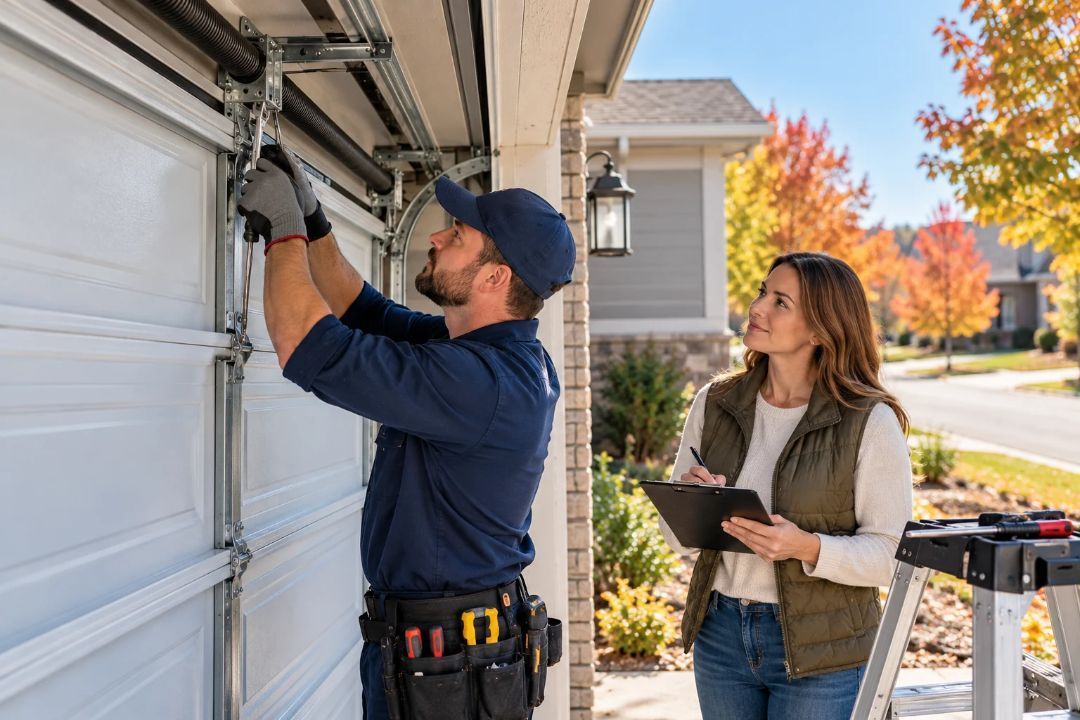
Springs, cables, rollers, hinges, and tracks take a beating every day. We look for frayed strands, gaps in spring coils, flat rollers, and track that has drifted out of alignment.
Safety and control systems
We test the operator, photo eye sensors, and auto-reverse function under load. We also check panels and weather seals, since a dented section can bind the door.
What happens after the visit
A good visit ends with the door tested, not just looked at. We test performance after service and explain what we found and what can wait. Keep notes from every visit. They become the baseline for the next inspection and a useful record if a repair question comes up later.
What Your Team Can Spot Between Visits
Staff see the door more than any technician will. Ask them to report scraping, jerky travel, a door that drifts down on its own, or a crooked closing line. Test the sensors monthly by waving an object through the beam while the door closes.
Leave springs, cables, and bottom brackets alone. They hold heavy tension and can injure anyone who loosens them.
When to Stop Waiting for the Next Visit
Pull the door from service if a cable frays, a panel buckles, or the door comes off track. Running it risks injury and a bigger repair. A business that skipped its commercial garage door inspection last year often finds small problems have grown by now.
Before the visit, make the door easy to inspect. Clear the area around the opening, note any odd behavior you have seen, and tell the technician how many times a day the door runs. That number shapes the recommendation.
Put Your Next Inspection on the Calendar
Ready to schedule a commercial garage door inspection? Our commercial garage door services cover repair, replacement, and operators for Fort Smith businesses, and you can reach the team through our contact page to set up a visit.
Frequently Asked Questions
Who should perform a commercial garage door inspection?
A trained garage door technician. Your staff can watch for obvious changes, but springs, cables, and operators need professional tools and training.
Do loading docks need more frequent checks?
Yes. More daily cycles mean faster wear, so heavily used doors usually need visits every few months instead of once a year.
What is the difference between an inspection and maintenance?
An inspection finds problems. Maintenance fixes them through lubrication, adjustments, and part replacement. Many visits combine both.
Can regular checks reduce unplanned downtime?
They can. Catching a worn spring early lets you schedule the repair instead of reacting to a failure in the middle of a shift.
What happens if a door fails an inspection?
The technician explains the problem and the repair options. If a door is unsafe to run, it should stay out of service until the repair is done.
Should we keep inspection records?
Yes. Dated notes on what was found and fixed help you spot repeat problems and plan replacements before they become emergencies.



Rolling Steel vs. Sectional Doors: Choosing the Right Commercial Door for Your River Valley Business